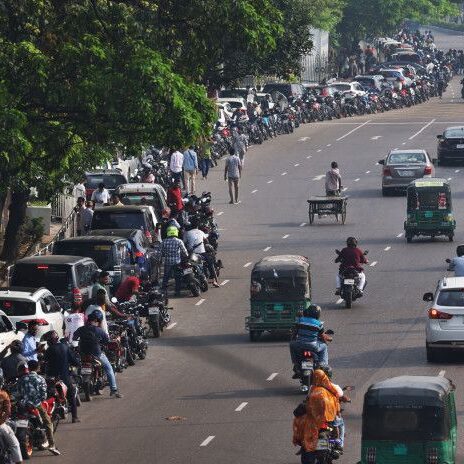
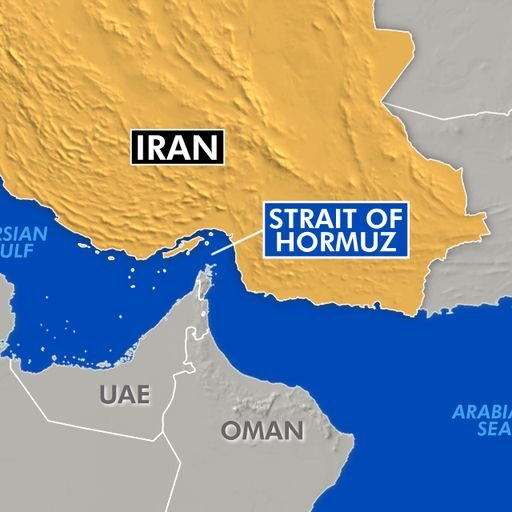
The conflict between Iran and the USA is sending shockwaves around the world, and we are feeling the tremors here in Bangladesh. On February 28, 2026, Iran closed the Strait of Hormuz after U.S. airstrikes hit its nuclear sites and killed Supreme Leader Ayatollah Khamenei. Within days, ships stopped moving through the waterway. While the world watched the military standoff, another crisis was quietly growing in Bangladesh, in our homes, workplaces, and on our roads.
Bangladesh does not buy oil or gas directly from Iran. However, about half of our LNG imports, around 3.6 million tonnes in 2025, travel through the Strait of Hormuz. Most of this comes from Qatar and the UAE, which also depend on that route. As the crisis unfolded, prices began rising quickly because, before any real shortage, shipping costs had already jumped. Very Large Crude Carriers (VLCCs) crossing the Strait saw their daily freight rates go up by 20 to 30 percent in just one week. Insurance costs also increased, pushing daily shipping expenses to $25,000 per vessel. For Bangladesh, this meant that oil and LNG from the Middle East became more expensive before they even landed here.
But what about the backbone of our economy? The Bangladesh Garment Manufacturers and Exporters Association (BGMEA) says production capacity has dropped by 25 to 30 percent, mainly because of gas and electricity shortages. With low regular and emergency reserves, we are less secure than our neighbors. For example, a spinning mill in Gazipur saw its daily output fall from 170 to 75 tonnes of yarn due to a shortage of energy, resulting in a daily loss of about Tk 25 lakh. Furthermore, the crisis is no longer just about numbers, it is affecting real jobs and factories. Across Bangladesh, around 45,000 mobile towers and several data centers depend on diesel generators during power cuts, but diesel is running low. Power outages are happening more often, not just in villages but also in big cities. Therefore, keeping networks running is getting harder, and the risks to emergency services are growing.
Cooking gas cylinders are getting more expensive. If workers in Middle Eastern countries lose their jobs because of the conflict, remittances to Bangladesh could fall. While people are hoping for relief, Iranian officials say the Strait will stay closed as long as the U.S. blockade continues. Some ships headed our way have also been intercepted. As a result, we are facing problems we were not ready for. Even though Bangladesh is not involved in the fighting, our energy supply, exports, networks, and family budgets are all suffering.